

- admin
- No Comments
- September 25, 2024
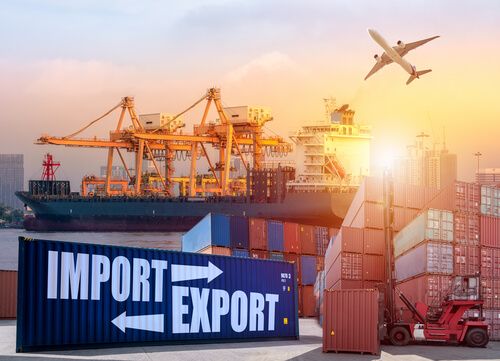
Guideline for Beginners about Import & Export
For beginners venturing into import and export, understanding the foundational steps is crucial. This includes market research, identifying potential products or services, finding reliable suppliers, understanding legal and regulatory requirements, creating a business plan, registering the business, and establishing efficient supply chain and logistics.
- Identify potential markets:Research and analyze target markets to understand demand, competition, and regulatory landscape.
- Choose products/services:Select goods or services based on market demand, profitability, and your expertise.
- Analyze market trends:Utilize tools like Google Trends, industry reports, and market research data to assess product viability.
- Find reliable suppliers:Locate reputable manufacturers or suppliers for imports and identify potential buyers or distributors for exports.
- Build strong relationships:Foster trust and open communication with suppliers and buyers to ensure smooth transactions.
- Understand import/export regulations:Familiarize yourself with customs procedures, tariffs, taxes, licensing requirements, and other relevant regulations.
- Obtain necessary licenses and permits:Ensure you have the appropriate documentation for importing and exporting your chosen products.
- Develop a comprehensive business plan:Outline your objectives, target markets, competitive analysis, marketing strategies, and financial projections.
- Choose a suitable business structure:Select a legal structure that aligns with your business goals and register your business name.
- Establish efficient processes:Set up systems for sourcing products, managing inventory, handling shipping, and ensuring timely delivery.
- Optimize logistics:Work with reliable freight forwarders, customs brokers, and shipping companies to streamline the movement of goods.
- Determine startup capital requirements:Assess the initial investment needed to launch your import-export business.
- Secure financing:Explore options such as personal savings, loans, investors, or government grants.
- Prepare necessary documents:This includes commercial invoices, packing lists, bills of lading, and other relevant paperwork.
- Ensure accuracy and compliance:Double-check all documents to avoid delays or complications in customs clearance.
- NTN (National Tax Number): Secure an NTN for your business.
- Chamber of Commerce Membership: Obtain membership in a relevant Chamber of Commerce.
- Sales Tax Registration: Importers need sales tax registration.
- Bank Account: A current bank account is necessary for import/export transactions.
- Feasibility Study: Conduct a thorough feasibility study before starting your business.
The process begins with planning and design, involving architects and engineers who create blueprints and detailed plans. Pre-construction follows, which includes securing permits, site preparation, and material procurement.
Step by Step Guideline about Import & Export
All trade starts with a query/ inquiry for a product requesting quotation (RfQ). It
is highly recommended to give due weightage to each query and then quote a price.